Available for Purchase.
"*" indicates required fields
This submission is an inquiry of availability and details but does not guarantee a sale. Thank you for your understanding.

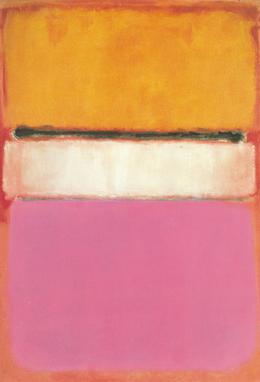
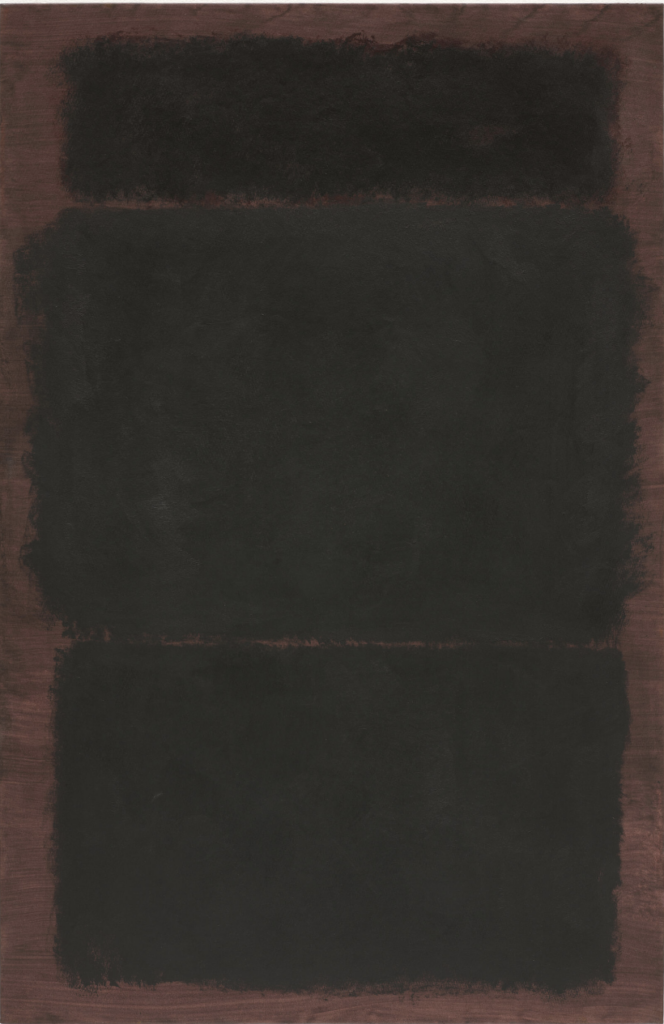
Mark Rothko,White Center (Yellow, Pink, and Lavender on Rose), 1950 Oil on canvas, 81 x 56"
A number of years ago, a friend and I were in a midwestern museum standing quite close to a signature Mark Rothko painting. After a few minutes of looking, my friend threw down a surprising gauntlet: “So what’s the big deal about Rothko?”
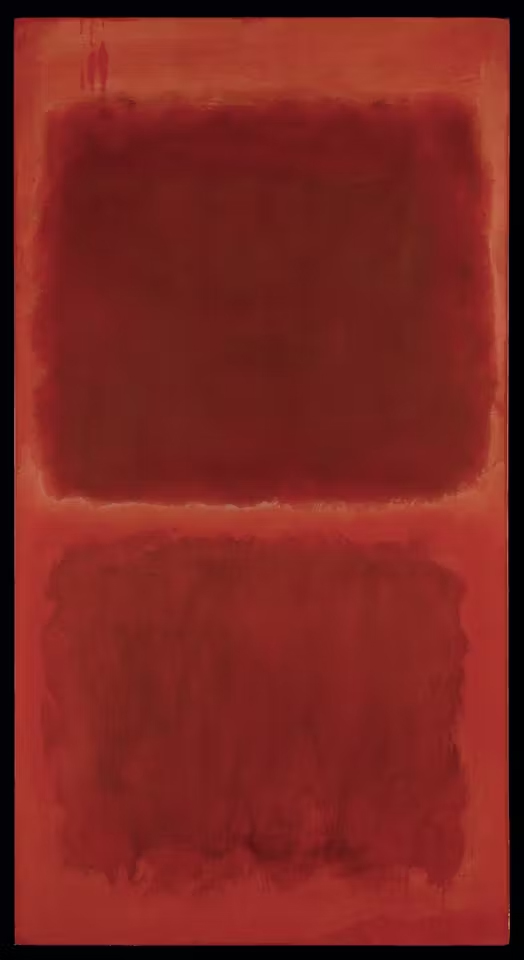
Once I got over my irritation (Rothko being a painter whose work deeply resonates with me), I offered this explanation. “The way his paintings envelope me, wash over me, they cause my senses to vibrate. When I stand in their space, I feel viscerally connected to the emotions in my life.”
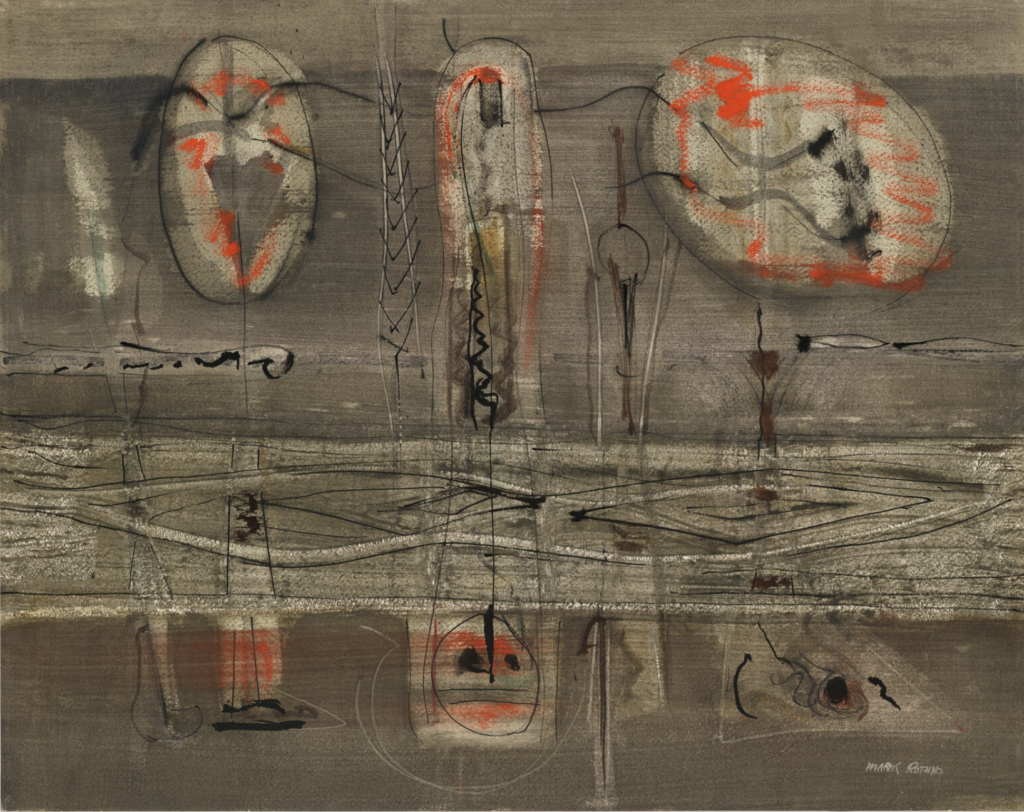
By the 1950s Rothko had arrived at his distinctive mature style—huge canvases dominated by horizontal bands of color. They might seem to be conventional compositions, viewing them as we do with the benefit of hindsight. Nonetheless, seventy-five years have not diminished their formidable emotional power. Some of this must be due, I think, to the way the paintings were executed—Rothko applied numerous thin washes of paint to build up amazing luminosity of color, the edges of color bleeding together to create a soft quivering effect. I am powerless to resist.
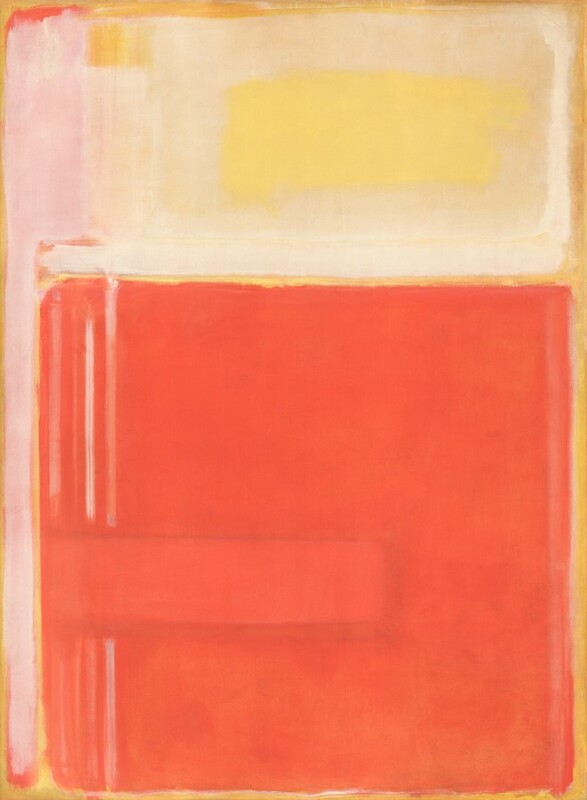
Underlying his painting process was the artist’s fiercely held intention that the paintings be solely about emotion. Rothko once said that a painting is not a picture of an experience; it is an experience.
I’m not interested in relationships of color or form or anything else. I’m interested only in expressing basic human emotions—tragedy, ecstasy, doom and so on—and the fact that lots of people break down and cry when confronted with my pictures shows that I communicate those basic human emotions.The people who weep before my pictures are having the same religious experience I had when I painted them. And if you, as you say, are moved only by their color relationships then you miss the point.” —Mark Rothko
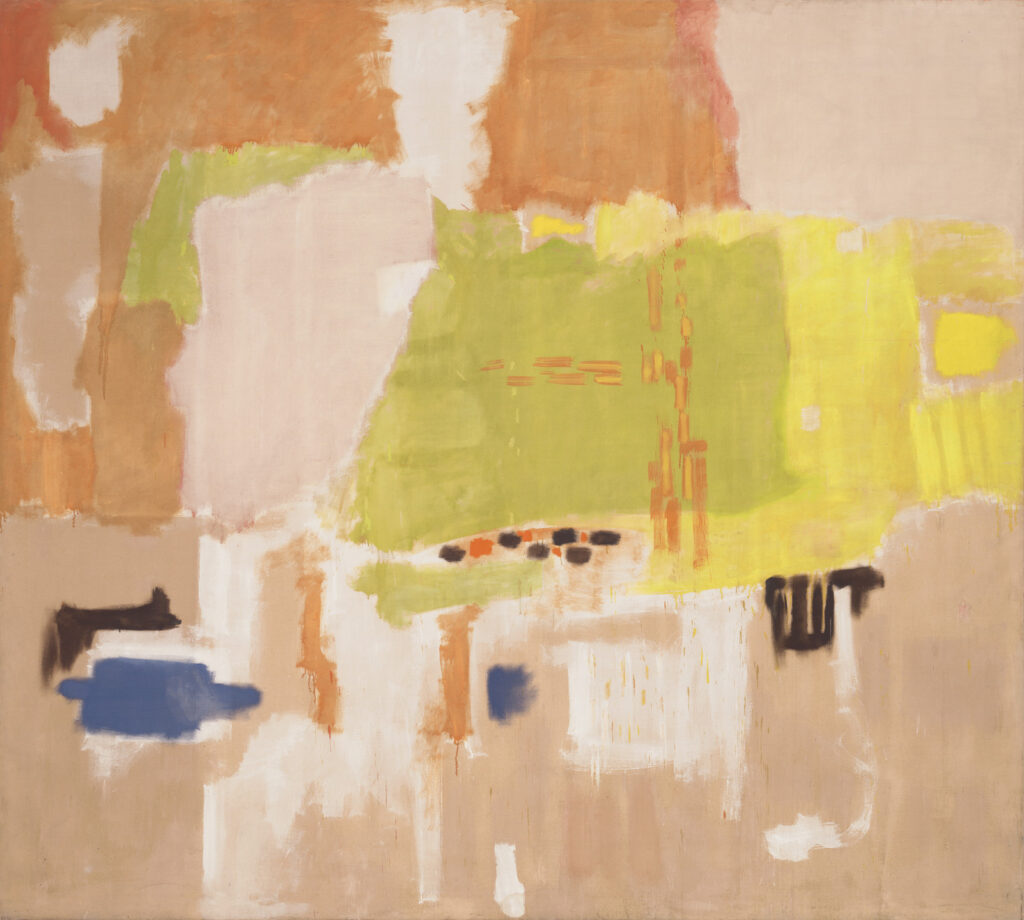
Rothko insisted that his paintings should be viewed from a distance of 18 inches, to foster intimacy and immersion. I can attest that at 18 inches the painting so overwhelms your perception that there is nothing to do but simply give in to whatever you are feeling. Sometimes I’ve felt oceanic vastness; at other times, the relentless heat of a summer day, the raucous joy of a birthday party, the otherworldliness (and apprehension) of a moonless night, despair, contentment…Once a Rothko even evoked the memory of an extended family Easter dinner of my childhood.
All of this said, the truth is, I’m not sure anyone can be persuaded of a feeling that simply isn’t there in the moment of engagement with a work of art. Nevertheless, articulating my view to this friend was unquestioningly affirming for me.
One of the most important tools any artist develops in pursuit of a unique artistic expression is individual discernment, the ability to see beyond the superficial and the obscure and judge what rings true. This I know to be true: when I am in a room with a Rothko, strong emotions well up..
THE RABBIT HOLE
Rothko at the Phillips Collection
MOMA Article—“Caution Art May Make You Feel”
National Theatre Live—Red, John Logan’s Tony-award-winning play which imagines Rothko in conversation with his assistant, as he struggles to complete commissioned paintings for the Four Seasons restaurant.



Nice emotional taste of Rothko. I enjoyed reading. Thanks
Thank you for taking the time to read…and respond!
Appreciated this article. Most
informative and thoughtful.
Thanks so much for reading and responding—always so gratifying when people join in the conversation.
Good one Liz.3
Easy to write when you love an artist and know why!😂
Great piece, Liz!
And great to learn Rothko wanted us 18” away. Amazing!
Thanks for reading & responding! Now I feel compelled to read the biography. Have you?
I also love Rothko
and his work was inspired by my cousin Suzanne — Every year I bought her a Rothko Calendar for Christmas . One year there was a Rothko print in her bedroom and she said that she sent for it because you could order from the Calendar — How lovely — She died last year — and when I see a Rothko it is for me, a remembrance of her . Thank you Liz —
Such a wonderful way for your cousin to be remembered! Thanks for reading and responding with this.