Available for Purchase.
"*" indicates required fields
This submission is an inquiry of availability and details but does not guarantee a sale. Thank you for your understanding.

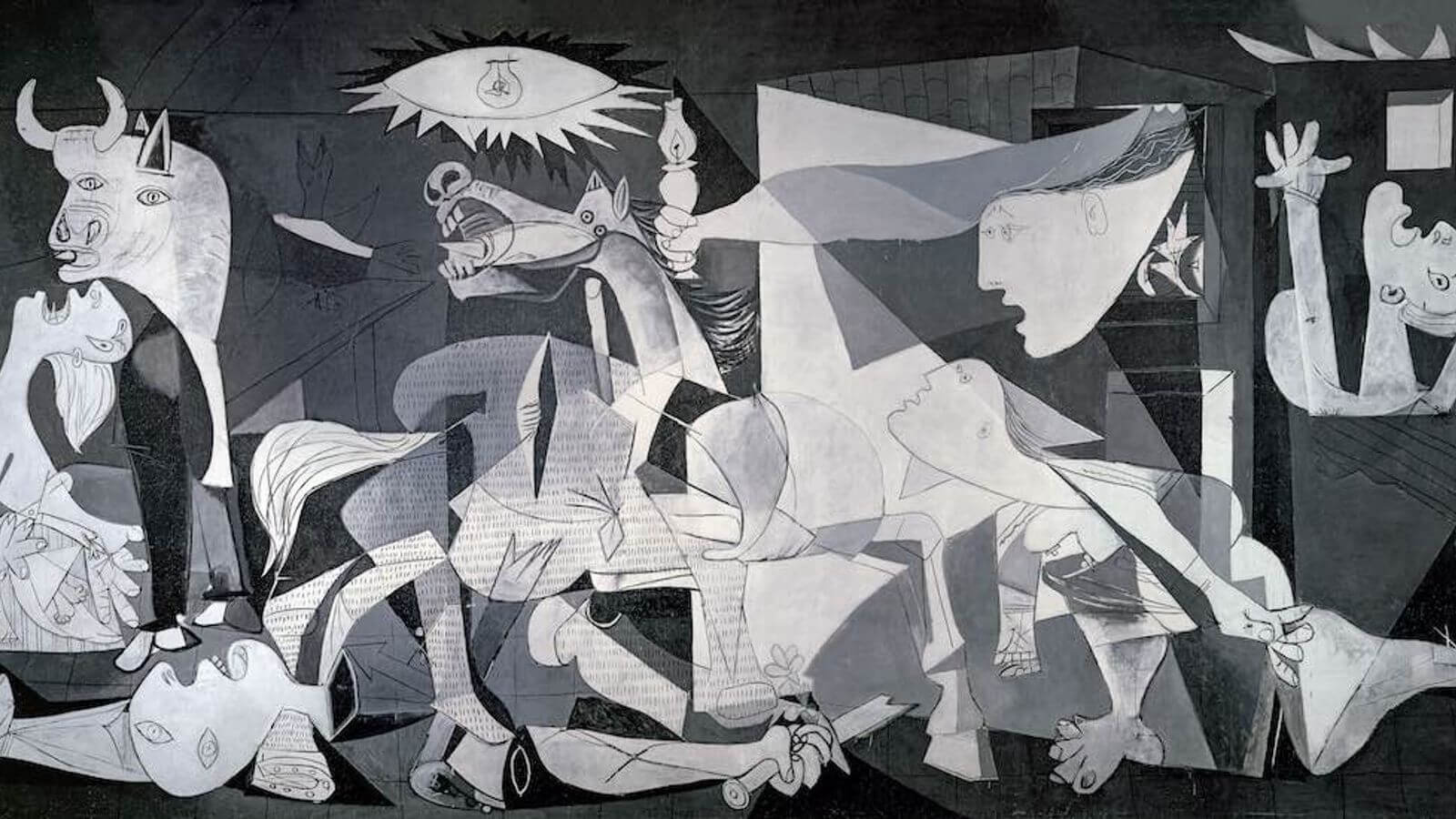
Pablo Picasso, Guernica, 1937
To finish a work? To finish a picture? What nonsense! To finish it means to be through with it, to kill it, to rid it of its soul, to give it its final blow—the coup de grâce—for the painter as well as for the picture.
—Picasso
I typically work on multiple paintings simultaneously. It allows the painting to breathe, to unfold without pressure. When one painting reaches an impasse, I turn to another with fresh eyes and a burst of energy. Not long ago, however, I broke that rule and devoted two full months to a single painting. I thought the focus would help me finish the project more efficiently.
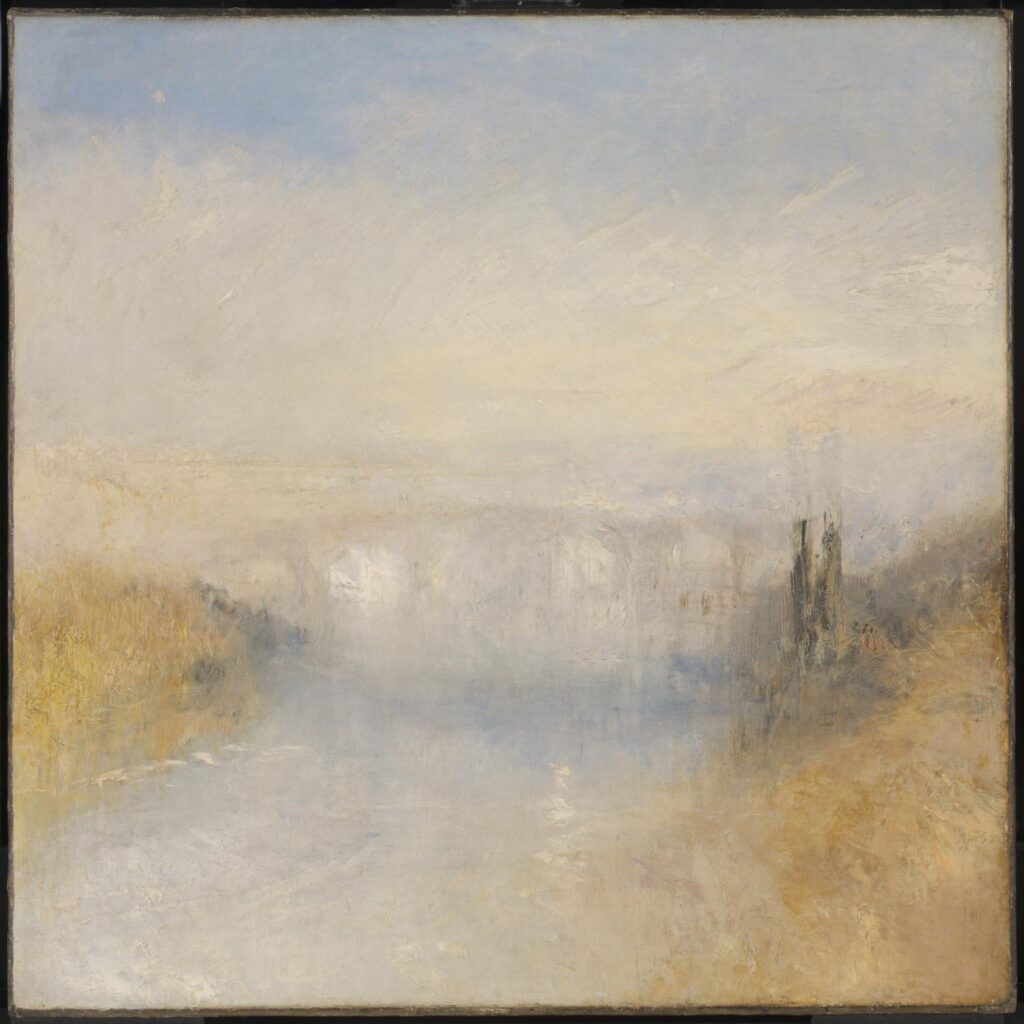
Like most paintings, this one began with excitement and momentum. Eventually, however, I hit my Sisyphean phase—the stretch in which each victory can be so easily overridden, defeated by a single brushstroke. Though I put my shoulder to the boulder repeatedly, trying different problem-solving approaches, I couldn’t resolve the painting to my satisfaction. As days passed, I began to feel trapped in what I’ve come to think of as The Giacometti Syndrome—“the more one works on a painting, the more impossible it becomes to finish it.” (I was grasping why Giacometti routinely scraped away a day’s work to start anew the following day.)
There were days I doubted the painting would ever be finished without loosing its soul. One day I took a multi-hour break to start a new painting, mainly in an attempt to restore my confidence. That tactic worked for a while.
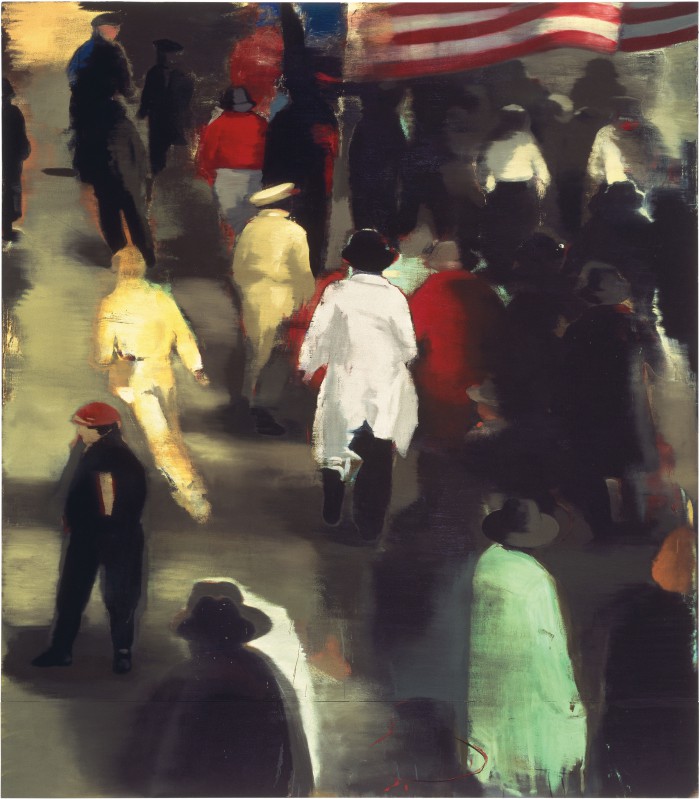
I recall seeing Christopher Brown on film, years ago, candidly admitting that he often continued working on paintings that came back to him after gallery shows. I’ve always admired that honesty. Unfortunately, I did not have that luxury. This painting couldn’t hang around on my studio wall—it had been spoken for.
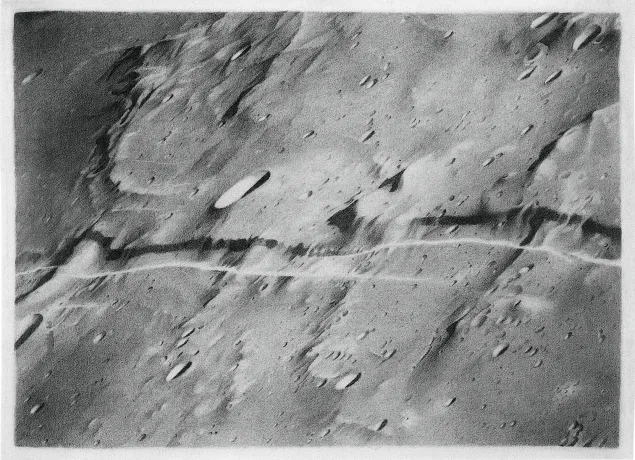
Sometimes I feel like a painting has finished me, rather than the reverse. Vija Celmens beautifully articulated this, when she was asked how she knew a painting was finished:
When either you get so bored with it that you quit, or you can’t do anything to it anymore, so you just give it up. Also, I do have a certain sense where I just run out of energy because I tend to beat up on my work a lot, or I over-finish. One of my worst qualities is that I make a work impenetrable and strong. I have come to accept this tendency in my work.
One morning a simple and obvious idea occurred to me—I should set a firm date for delivery of the painting. I generally try to give the painting process time to unfold without pressure, but now that decision was allowing the painting to exist in a kind of endless limbo. Setting a deadline shifted everything. With 10 days to the due date clarity arrived.
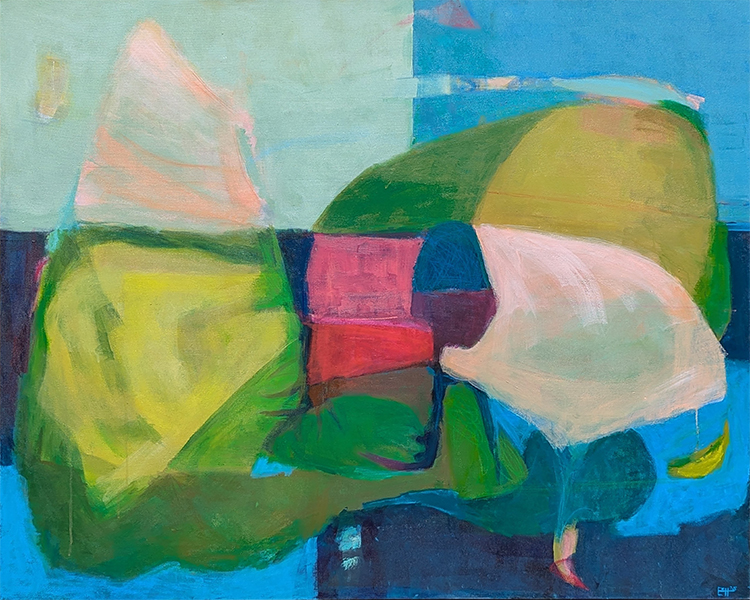
The question of when painting is finished can be a complex one for me, its answer pretty much determined painting to painting. Some paintings arrive at an elegant solution. Other paintings can never finished. In this case, a deadline forced me to step away from an admittedly fuzzy notion of perfection and let the work be what it had become. Finished? Nothing more to do at this time. Soul? I believe it’s Intact.


Hi Liz, while I always like reading your articles, this was even more interesting knowing the context and having seen the finished product.
All the best.
I love your writing Liz – thank you for sharing this one. Soul intact is good – and important! All the best to you my friend,
Appreciate that you read and added a comment to the conversation.
Great article Liz. I think this is a topic that all artists either struggle with or resign themselves with the uncomfortable feeling.ofnthe painting never being done. And then there’s the painting that is “done” only to be scraped and painted over later in its life because we no longer connect or like it.
Thanks for adding your perspective Nina! Totally agree. There was one painting I worked on for easily a year and during that time it went through probably 10 radically different compositions, and one full scrape down, which with acrylics can be a messy gooey job! But I did get to the finish line! One painter friend who witnessed this process jokingly told me I didn’t need to buy any more canvases, cuz I could just work on the same one for the rest of my life 😂
Love this! The soul of the painter, the soul of the painting, the challenge and the value of a deadline. What would life have been if we never had to put a deadline on a term paper in college?
Well yes without the deadline I’m pretty sure I’d still be trying to finish that paper for American Lit class. 😂😂😂😂
Very nice description of the creative process…..and an insightful way to conclude. Such a good writer you are!
Thanks Marc Ellen, I’m glad this resonated with you. I enjoy sharing my thoughts about process, color, OPA (other people’s art), the interesting tidbits in the history of art, the juncture of art/science, the creative brain… I guess the list is pretty much endless! I wrote a blog—Venetian Red—for 8 years, so I got some practice.
Appreciate this article, Liz. So true and I love the references. Stay inspired!
I’m appreciative that it spoke to you!
Very interesting. I don’t generally like Brown, but what a great painting that is! (all your choices are great).
It’s almost abstract but then the flag gives it some narrative.
Always liked that Brown painting and visit it whenever I am down at Stanford! He does straddle the figurative/abstract in an often fetching way.
So great to read of artists we admire and how they dealt with this issue we all encounter and struggle with!
Thanks for adding to the conversation Elaine! A connective window always opens for me when reading/watching how other painters approach their process.
One thing I did not mention in this post, which helped enormously on another problematic painting, was taking the painting off my wall and putting it onto another wall far away from my studio and having another painter look at it. We all have other artists look at our work, but the change of venue can produce amazing insights…