Available for Purchase.
"*" indicates required fields
This submission is an inquiry of availability and details but does not guarantee a sale. Thank you for your understanding.


Liz Hager, Abstract: 20250330, Mixed media on paper mounted on panel, 16 x 20"
There’s a particular pressure in the art world to present a cohesive, easily recognizable body of work. Like many painters, I began with a deep desire to capture the external, tangible world. For a decade I have worked within the representational tradition, striving for proficiency and verisimilitude. (Oh to paint with the fluency of Velazquez or Sorolla!).
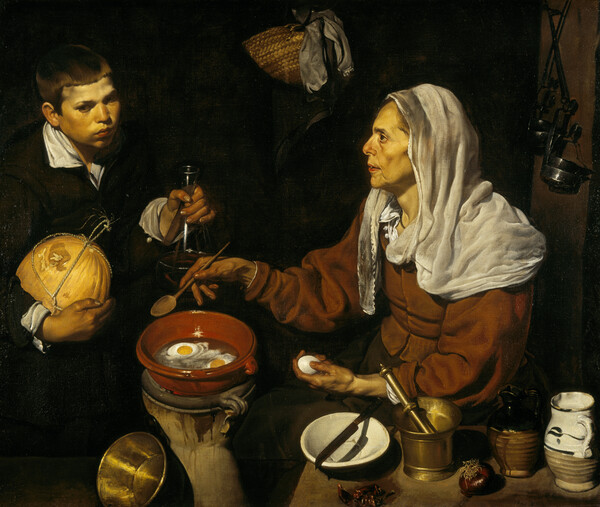
Certainly I have enjoyed the ongoing challenge presented by this endeavor. By now I have gained a level of skill— enough to render the visible world with some degree of confidence. I might have stayed exclusively in this world building a cohesive and recognizable style. There are always challenges and refinements to be made!
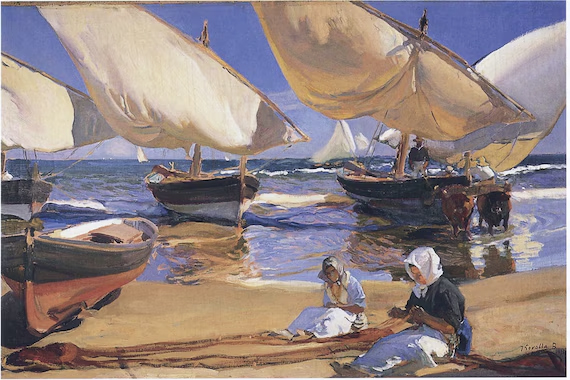
I have had a growing awareness that painting “realistically” was only partially tapping into my experiences of the world. No matter the genre, painting is always an act of interpretation, reflecting a subjective lens shaped by the painter’s experience, intentions, interests, moods, and, to some extent, technical ability. What we each perceive as “reality” is actually a model created by the brain, informed by sensory input, memory, cultural frameworks, emotion, attention, and expectation.
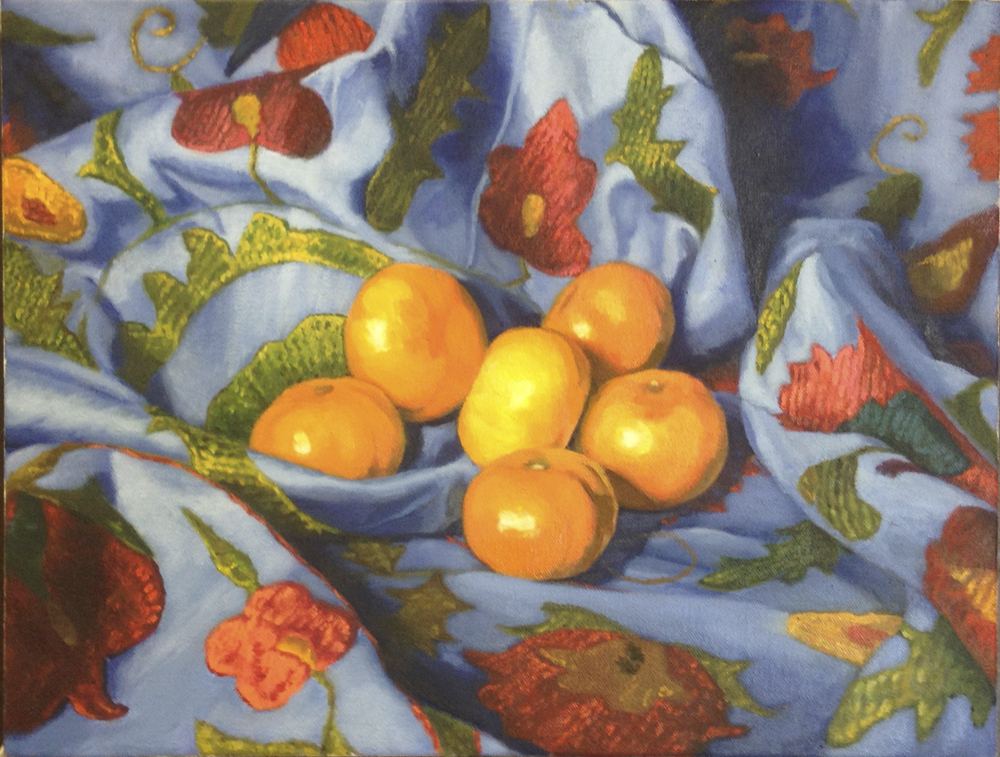
While painting realistically I find am always thinking about the subject—observing it, trying to describe it with more painterly juice. I wondered what deeper insights about the world might surface were I to ditch the subject matter “out there” and rely solely on exploring the world “in here”?

Thus, I added abstraction to my practice. Freed from the distraction of making a painting look like “something,” I have only the formal language of painting—marks, lines, shapes, values, colors, and textures— to express the sensations, ideas and ambiguities that define my reality. In the process of expressing my inner world, I’ve already discovered much about my relationship to the outer world. (More about uncertainty and perfection at a later date!)
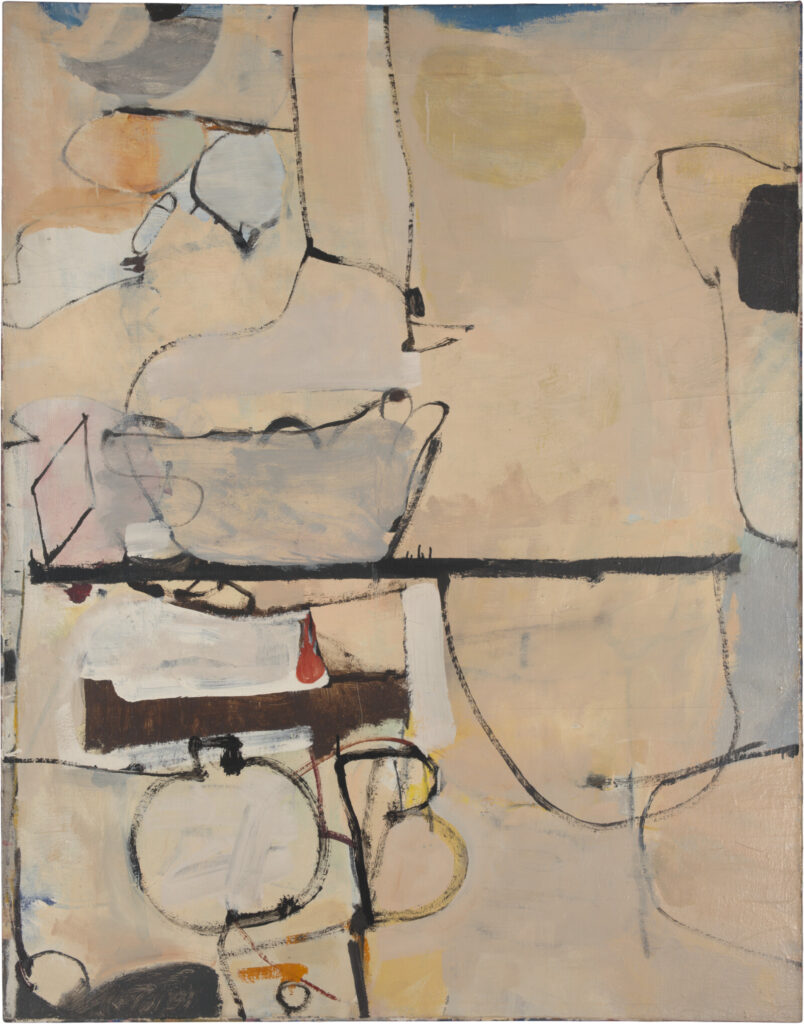
Making good abstract paintings and finding my abstraction “style” hasn’t turned out to be any easier for me. Both genres for success on the same formal components, but abstraction is, in many ways, more exposed. Without the distraction of subject matter, weaknesses in composition, color, or value can become obvious.

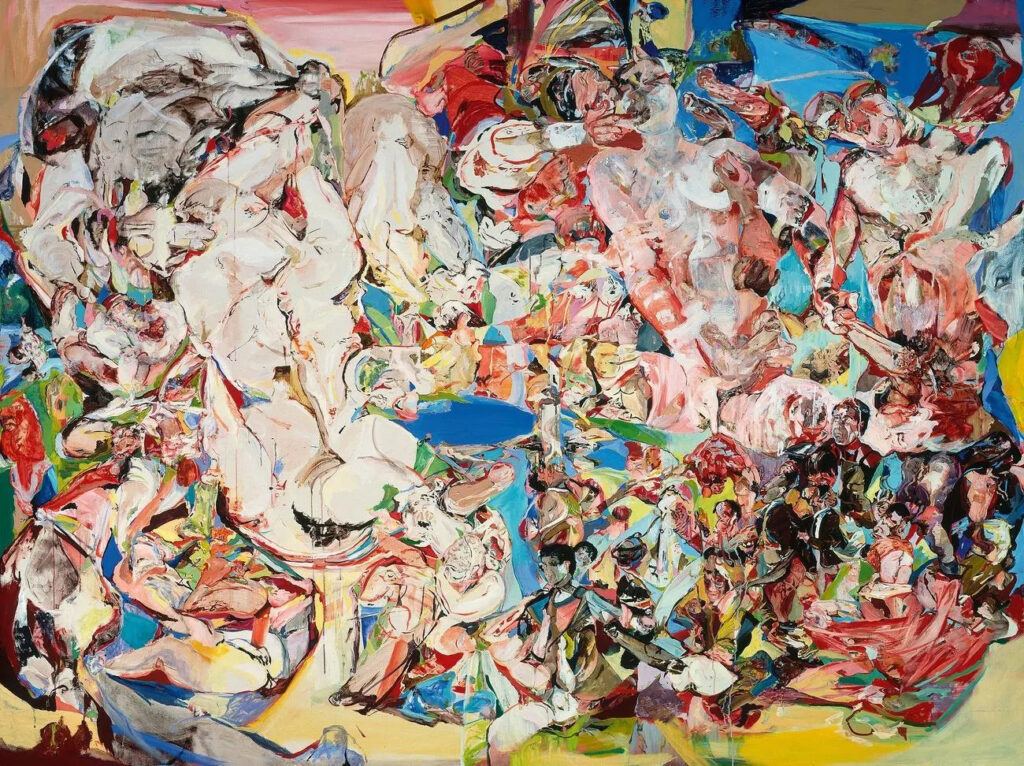
These two seemingly very different practices may come together at some point. (Oh to paint as masterfully as Cecily Brown!) For now, I’m satisfied exploring both as a means to fully describe my encounters with the world.

As always your analysis brings to light your ever evolving work.
It’s always gratifying when followers read and respond, so many thanks to you!
Hi Liz
Great to hear from you and love yr paintings.
Keep them coming !!
R u in RI this summer??
Hope to see you
Best Ginna
Thanks for reading and responding Ginna!Check in email box…
Amazing writing. Just thought we met in Bodrum almost 18 years ago. I was not painting yet. This resonates with my journey. Thank you!
wow 18 yrs ago! remember it vividly and yet it seems like a lifetime ago.. I’m glad this Brief connected with you!
Liz – I very much admire your evolving work and am drawn to your use of color and unique shapes. thank you for sharing your thoughts about this ongoing process. I have a watercolor you painted, inspired by shore rocks and look forward to living with another of your paintings. Jeannie
Thanks Jeannie for these lovely observations! Much appreciate your support of my work and do look forward to the time when another painting catches your eye! Until then, hope you are well and enjoying life!